Filipino Veterinarian's Guide to Australia: Complete 2026 AVE Pathway
The complete 2026 guide for Filipino DVM graduates seeking veterinary registration in Australia. Fees in ₱ and AUD, AVE pathway, visa subclasses (189, 190, 491, 482 Skills in Demand, 186), English-test exemption for Philippine DVM, realistic timeline, and common mistakes to avoid.
The GdayVet Team
13 April 2026
13 min read
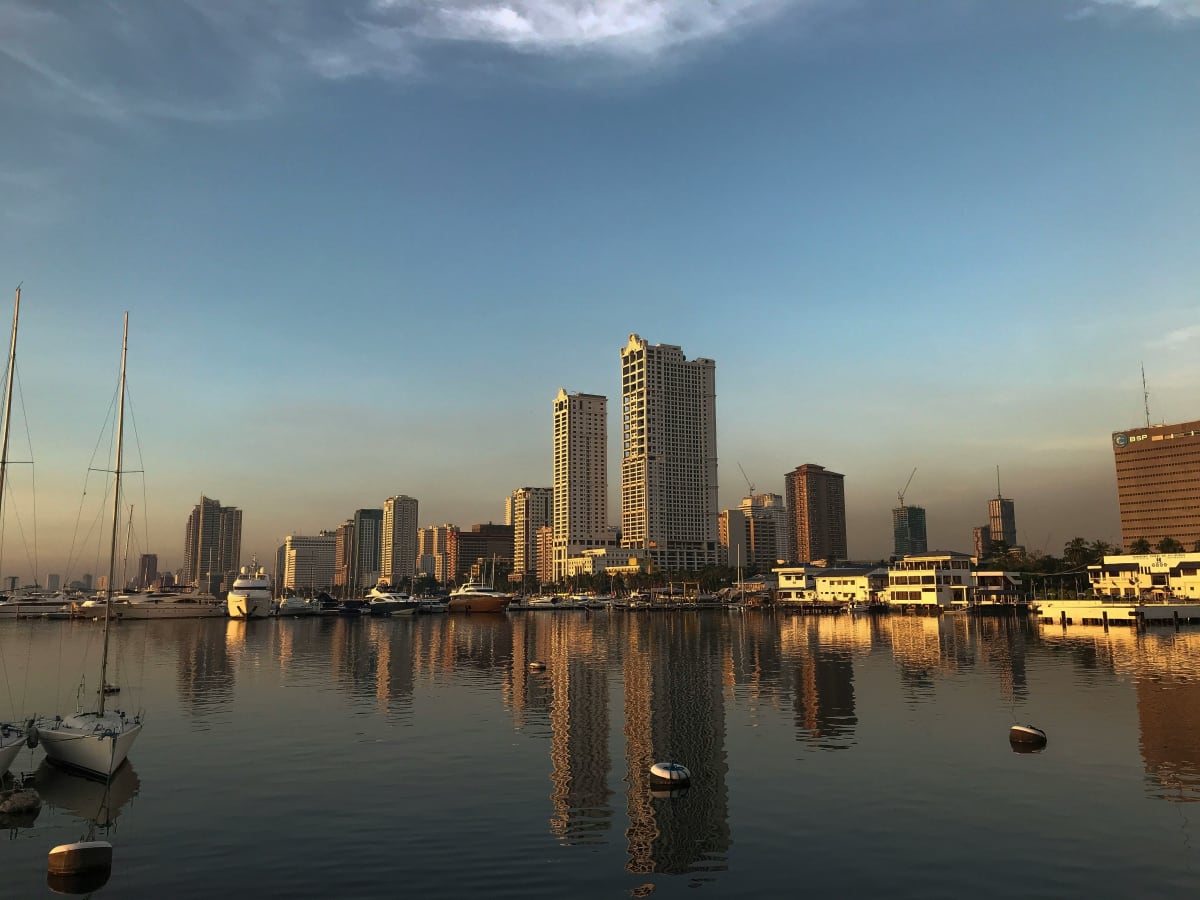
The Filipino Veterinarian's Complete Guide to Practising in Australia (2026)
Quick answer: Philippine DVM graduates cannot register directly as veterinarians in Australia. Degrees from PRC-licensed institutions are not on the Australasian Veterinary Boards Council (AVBC) auto-recognition list, so Filipino vets must pass the three-step Australasian Veterinary Examination (AVE) — total AVBC fees ~AUD $13,300 (around ₱563,000) — plus meet visa requirements. Most Filipino candidates complete the pathway in 18–30 months, often faster than candidates from non-English-speaking countries because their education is delivered in English.
This guide walks you through every step, every peso, and every realistic deadline from a PRC-licensed Filipino veterinarian to a vet practising in Sydney, Melbourne, Brisbane or regional Australia.
2027 intake — verified 25 August 2026. The next AVE Preliminary (MCQ) Examination is Friday, 16 April 2027; applications close Monday, 25 January 2027. Fees and exam structure below are checked against the AVBC Schedule of Fees and the Information for AVE Candidates handbook (May 2026 edition).
Can Filipino DVM graduates work as veterinarians in Australia?
Yes — but not immediately. The Philippines' 6-year Doctor of Veterinary Medicine (DVM) degree, regulated under Republic Act No. 9268 (The Philippine Veterinary Medicine Act of 2004) and administered by the Professional Regulation Commission (PRC) Board of Veterinary Medicine, is one of the longest veterinary programs in Asia and meets CHED's minimum of 221 curriculum units. However, AVBC currently only auto-recognises degrees from a narrow list of countries: Australia and New Zealand, AVMA-accredited schools (USA and Canada), RCVS-accredited schools (UK and Ireland), and a small number of European and South African institutions.
Philippine institutions — including the University of the Philippines Los Baños (UPLB) College of Veterinary Medicine (the country's first and oldest vet school), Central Luzon State University (CLSU) College of Veterinary Science and Medicine, Cavite State University (CVSU) College of Veterinary Medicine and Biomedical Sciences, Visayas State University (VSU), Central Mindanao University, Central Bicol State University, Benguet State University, and others — are not on the AVBC list. This means every Filipino-trained veterinarian who wants to register in Australia must sit the AVE.
The good news? Filipino candidates have two genuine structural advantages that make the AVE pathway faster and cheaper than for most international candidates:
- Native-level English proficiency. The Philippines is one of the largest English-speaking countries in the world, and DVM programs are taught entirely in English. Filipino candidates are not automatically exempt from AVBC's English test (the Philippines is not on AVBC's "recognised countries" list), but most either pass the test on the first attempt with minimal preparation or successfully apply for one of AVBC's education-based exemption pathways — a significant time and cost advantage over candidates from non-English-speaking backgrounds.
- Familiarity with computer-based licensure exams. The PRC Veterinary Medicine Licensure Examination has been delivered as a Computer-Based Licensure Examination (CBLE) in recent cycles, and many Filipino candidates have already experienced the testing environment that the AVE MCQ uses. That removes a psychological barrier many international candidates struggle with.
What is the AVE and why do Filipino vets need to sit it?
The Australasian Veterinary Examination (AVE) is administered by the Australasian Veterinary Boards Council (AVBC), the national body representing Australian and New Zealand state and territory veterinary registration boards. The AVE is the formal assessment pathway for internationally qualified veterinarians whose degrees are not auto-recognised.
It exists to verify that international candidates meet the Day-One Competencies expected of an Australian graduate — not just knowledge, but practical clinical skills, communication, Australian-specific diseases (Hendra virus, Australian bat lyssavirus, cattle tick, paralysis tick, bluetongue) and local regulatory understanding.
Passing the AVE is the single most important step. Once you clear it, you become eligible to register with any state or territory veterinary board in Australia or the Veterinary Council of New Zealand.
AVE fees for Filipino veterinarians in 2026 (₱ and AUD)
All fees below are from the official AVBC Schedule of Fees (avbc.asn.au/schedule-of-fees) converted at 1 AUD ≈ ₱42.3 (April 2026). Verify the exchange rate the day you transfer funds.
| AVE Step | AUD (direct deposit) | Approximate PHP |
|---|---|---|
| Eligibility Assessment | $515 (credit card) | ~₱21,800 |
| MCQ Preliminary Exam | $3,460 (+$15 overseas) | ~₱146,400 |
| Clinical (Final) Exam | $9,325 (+$15 overseas) | ~₱394,500 |
| Total AVBC fees | ~AUD $13,315 | ~₱563,000 |
Additional costs to budget for:
- English language test (if required): OET (~AUD $587 / ₱24,800), IELTS Academic (~AUD $495 / ₱20,900), PTE Academic (~AUD $445 / ₱18,800), or TOEFL-iBT (~AUD $370 / ₱15,650). Many Filipino candidates skip this line item because they meet requirements on the first attempt or qualify for exemption.
- Document verification and authentication in the Philippines: ~₱5,000–10,000 (DFA apostille + PRC verification)
- Visa application (subclass 189 or 190): ~AUD $4,640 / ~₱196,300 in 2026 — always verify current figure at Home Affairs
- AVE preparation resources: AUD $500–2,500 depending on provider
- Travel and accommodation for MCQ (usually Melbourne) and Clinical exam (5 days at UQ Gatton, Queensland): AUD $5,000–9,000 / ₱211,500–₱380,700
- Living expenses during preparation and examination periods
Realistic total budget: ₱1,000,000 to ₱1,600,000 (AUD $23,000–38,000) from start to first Australian paycheck.
That is a significant investment. But the median Australian veterinarian salary in 2025–2026 is AUD $85,000–110,000 (₱3.6M–₱4.65M) for early-career vets, and AUD $120,000–160,000 (₱5.08M–₱6.77M) for experienced practitioners — often with relocation bonuses in rural areas. This compares to typical Philippine veterinary salaries of ₱300,000–₱900,000 per year (around ₱25,000–₱75,000 per month), with entry-level vets averaging ~₱486,000 and senior vets averaging ~₱862,000. The salary uplift for Filipino vets moving to Australia is roughly 5–15×, and most recover their investment within 12–18 months of registration.
The 3-step AVE pathway explained
Step 1 — Eligibility Assessment (~AUD $515 / ₱21,800)
You submit your DVM degree certificate, PRC professional licence, complete transcripts showing every subject and mark, and a detailed syllabus to AVBC. AVBC compares your curriculum against the Day-One Competencies expected of Australian graduates and decides whether you are eligible to sit the MCQ exam.
Processing takes up to 6 weeks. Eligibility must be granted before you can apply for the MCQ, and the MCQ application window is the hard gate: applications for the 16 April 2027 sitting close on Monday, 25 January 2027. AVBC warns they may close earlier at short notice — in the 2026 cycle every place was allocated before the window closed and new eligibility applications were paused. AVBC also warns that the eligibility portal itself may close early at short notice. Eligibility takes up to six weeks to process, so six weeks before 25 January lands on 14 December 2026 — and that assumes your documents are complete and correct first time. Treat early December as your real deadline.
Step 2 — Preliminary MCQ Examination (~AUD $3,460 / ₱146,400)
The MCQ is a computer-based Computerised Adaptive Test (CAT). It consists of 160 multiple-choice questions across two papers (80 questions each) with a total examination time of 4.5 hours, held annually in April. Paper 1 (2 hours) tests base veterinary knowledge; Paper 2 (2.5 hours) tests clinical reasoning and decision-making.
The final score is a combined cut-score of 500 across both papers (not 500 per paper) — the Rasch methodology weights questions by difficulty, so a hard question answered correctly contributes more than an easy one. You are permitted a maximum of three MCQ attempts; after three unsuccessful tries there is a mandatory two-sitting stand-down (effectively ~2 years), after which candidates may request a discussion with the AVE Committee before reapplying.
Filipino candidates benefit here: if you sat the PRC Computer-Based Licensure Examination, the AVE MCQ interface will feel familiar. Focus your preparation on content, not format anxiety.
Step 3 — Final Clinical Examination (~AUD $9,325 / ₱394,500)
The Clinical Exam runs over 5 consecutive days at the University of Queensland's Gatton campus (approximately 90 km west of Brisbane). It is held twice yearly — a mid-year session (June/July) and an end-of-year session (November/December) — and tests 9 sections spanning small animals, equine, cattle, sheep, pigs, avian, exotics, plus oral vivas covering clinical reasoning, surgery, anaesthesia and communication.
After passing the MCQ you must attempt the Clinical exam within 3 years and complete it successfully within 5 years. Miss either deadline and you restart the entire AVE process.
Filipino DVM programs typically have strong small-animal medicine and surgery coverage because the urban pet-owning middle class has grown rapidly over the last 15 years, and UPLB, CVSU and CLSU all maintain active teaching hospitals. That is a direct match with the AVE's small-animal sections. The gap Filipino candidates often need to close is large-animal and equine work — horses in particular are rarely encountered in Philippine practice, and cattle/sheep exposure varies widely by campus.
English language requirements
AVBC's English Language Standards (April 2024) accept four tests. All require minimum scores in a single sitting (IELTS One Skill Retake is accepted):
| Test | Minimum score per component |
|---|---|
| IELTS Academic | 7.0 in each of listening, reading, writing, speaking |
| OET (Occupational English Test) | B / 350 in each of L/R/W/S |
| PTE Academic | 65 in each of L/R/W/S |
| TOEFL-iBT | Listening 24, Reading 24, Writing 27, Speaking 23 |
Test results are valid for AVBC purposes for 3 years.
For Filipino candidates: the Philippines is not on AVBC's "recognised countries" list for automatic English exemption — that list is restricted to Australia, Canada, New Zealand, Republic of Ireland, South Africa, the United Kingdom and the United States. However, AVBC offers additional education-based exemption pathways (Primary Language Pathway, Extended Education Pathway, and Combined Secondary and Tertiary Education Pathway) for candidates whose schooling was conducted in English. Because Philippine DVM programs at UPLB, CLSU, CVSU, VSU and others are delivered entirely in English, many Filipino applicants may qualify by submitting AVBC's English Language Education Evidence Form. This is not automatic — you must formally apply and provide documentary evidence. Confirm your eligibility directly with AVBC before assuming you can skip the test.
If an exemption does not apply, OET is the most aligned test because it mirrors the healthcare communication Filipino vets already do daily, and the scenarios use English conventions familiar from Philippine medical practice. Filipino candidates typically perform well on OET and IELTS, though the writing component requires targeted practice to reach the 7.0 / B band consistently.
Visa pathways from the Philippines to Australia for veterinarians
Veterinarians sit under ANZSCO code 234711 and appear on Australia's key skilled occupation lists: the Medium and Long-term Strategic Skills List (MLTSSL) (which governs eligibility for points-tested skilled visas) and the Core Skills Occupation List (CSOL) — the new list introduced in December 2024 that governs eligibility for employer-sponsored visas. That makes Filipino veterinarians eligible for multiple visa subclasses:
- Subclass 189 — Skilled Independent: Permanent residency, no sponsor needed. 65 points is the minimum EOI lodgement threshold, but in 2026 the government uses a 4-tier invitation priority system — healthcare occupations (including veterinarians) sit in Tier 1, the highest priority level, meaning invitations are typically issued from 75–80 points onwards, well below the 85–95+ points most non-priority occupations require. This is the gold-standard permanent residency pathway.
- Subclass 190 — State Nominated: Permanent residency with state sponsorship. Tasmania, South Australia, Victoria and the Northern Territory regularly sponsor vets due to regional shortages. State nomination adds 5 points to your EOI score.
- Subclass 491 — Skilled Work Regional (Provisional): 5-year provisional visa leading to permanent residency (subclass 191). Lower points threshold but requires regional living.
- Subclass 482 — Skills in Demand (SID): Employer-sponsored temporary visa (2–4 years). Replaced the old Temporary Skill Shortage (TSS) visa on 7 December 2024 — same subclass number, new three-stream structure. Vets apply through the Core Skills stream (CSOL occupations above the TSMIT threshold). Useful as a bridge while completing the AVE or early registration.
- Subclass 186 — Employer Nominated Scheme: Permanent, employer-sponsored via the Direct Entry stream, which uses the CSOL.
Important: you cannot lodge a skilled visa until you have a positive skills assessment from AVBC after passing the AVE. The typical order is: AVE eligibility → MCQ → Clinical → AVBC skills assessment → visa application → arrival and state registration.
Filipino applicants benefit from the well-established Philippines-to-Australia migration corridor — nursing, medicine, and engineering have flowed for decades, and the embassy processes in Manila are experienced with Filipino skilled-visa applications. Expect fewer procedural surprises than candidates from smaller migration corridors. Police clearance is obtained through the NBI (National Bureau of Investigation); medical examinations are conducted at Bupa-approved panel clinics in Manila and Cebu.
For the most current visa information, always check the Department of Home Affairs website.
Realistic timeline from DVM Philippines to registered Australian vet
| Month | Milestone |
|---|---|
| 0 | Decision to pursue Australian registration |
| 1–2 | English test (if needed — many Filipinos skip or complete in 1 month) |
| 2–3 | Gather documents (PRC licence, DVM transcripts, detailed syllabus, DFA apostille) |
| 3–4 | Submit AVE Eligibility Assessment application |
| 4–6 | AVBC eligibility approval (up to 6 weeks processing) |
| 6–11 | Intensive MCQ preparation (400–600 study hours) |
| 11–12 | Sit MCQ exam (April) |
| 12–13 | MCQ results released |
| 13–21 | Clinical exam preparation (focus on large-animal and equine gap) |
| 18–22 | Sit Clinical Exam at UQ Gatton (mid-year or end-of-year sitting) |
| 22–24 | Clinical results; apply for AVBC skills assessment |
| 24–28 | Visa application, NBI clearance, medicals |
| 28–32 | Arrival in Australia, state board registration, start working |
Typical total: 22–32 months — 2–4 months faster than candidates from countries where the English test takes longer. Fast-track Filipino candidates with first-attempt passes and efficient document processing can complete the pathway in 16–18 months.
Common mistakes Filipino AVE candidates make — and how to avoid them
- Underestimating Australian-specific content. Hendra virus, Australian bat lyssavirus, paralysis tick, Queensland itch, phalaris toxicity, lantana, pimelea — these dominate AVE questions and are barely mentioned in Philippine curricula. Build a dedicated Australian-diseases module into your preparation.
- The equine gap. Philippine DVM programs have limited equine exposure outside UPLB and a few specialised clinics. Horses appear prominently in the AVE Clinical Exam. Arrange observership at an equine practice (Australian or international) before sitting the clinical exam.
- Over-confidence from PRC licensure. Passing the PRC CBLE is an achievement, but the AVE tests a broader species mix and uses scenarios grounded in Australian practice standards. Do not assume your PRC preparation translates directly.
- Rushing the skills assessment. Filipino candidates sometimes lodge the skills assessment before their AVE certificate is fully issued. Wait for the official AVE completion letter to avoid processing delays.
- Forgetting DFA apostille. Document authentication (apostille since the Philippines joined the Hague Convention in 2019) is mandatory for overseas use. Start this process early — DFA processing times vary.
- Trying to self-study without structure. Candidates who pass on the first attempt almost always use structured preparation — whether through GdayVet, local study groups, or mentor-led programs.
Your next step
If you are serious about practising veterinary medicine in Australia, the single highest-leverage move you can make today is to start a structured study plan with Australian-specific content built in. Your English fluency and PRC-licensure familiarity give you a head start — now you need to close the Australian-diseases gap and shore up your large-animal work.
Start your AVE preparation with GdayVet — built specifically for internationally qualified veterinarians.
While you are here, sign up for our free daily question to build exam-pattern recognition over time. One question per day, every day, for the months leading up to your MCQ.
You may also want to read:
- AVE 2026: Complete Guide for International Veterinarians
- AVE Fees and Costs 2025: Complete Breakdown
- AVE Timeline 2025: 3-Year and 5-Year Rules Explained
- AVE English Language Requirements: OET vs IELTS vs PTE
- AVE Clinical Exam Guide: 9 Sections Over 5 Days
This guide is based on official AVBC documentation, the April 2024 AVBC English Language Standards, the AVBC Schedule of Fees (effective January 2025), Republic Act No. 9268, and the Australian Department of Home Affairs Skilled Occupation List. Fees and requirements change — always verify current information with AVBC, PRC, and Home Affairs before making financial or migration decisions. GdayVet is not affiliated with AVBC or PRC.
Frequently Asked Questions
Is a Philippine DVM degree enough to register as a veterinarian in Australia?
No. The PRC-licensed DVM degree is not on the AVBC auto-recognition list, so Filipino graduates must pass the three-step Australasian Veterinary Examination (AVE) — Eligibility Assessment, MCQ Preliminary Exam, and Final Clinical Exam — before they can register with any Australian state veterinary board.
How much does the AVE cost for Filipino veterinarians in 2026?
Official AVBC fees total approximately AUD $13,315 (around ₱563,000 at 1 AUD ≈ ₱42.3): $515 for the eligibility assessment, $3,460 for the MCQ exam, and $9,325 for the clinical exam. Including visa, travel, and preparation, a realistic all-in budget is ₱1.0M–₱1.6M. Filipino candidates often save on English testing costs because they already meet the language requirements.
Do Filipino veterinarians need to sit an English test for the AVE?
Not always. The Philippines is not on AVBC's automatic "recognised countries" list for English exemption (which is limited to Australia, Canada, New Zealand, Republic of Ireland, South Africa, the United Kingdom and the United States). However, AVBC offers education-based exemption pathways — including the Primary Language, Extended Education, and Combined Secondary and Tertiary Education Pathways — for candidates whose schooling was delivered in English. Because Philippine DVM programs at UPLB, CLSU, CVSU, VSU and others are taught in English, many Filipino applicants may qualify by submitting AVBC's English Language Education Evidence Form. This requires a formal application and documentary evidence; it is not automatic. Confirm eligibility directly with AVBC.
Which Philippine veterinary schools are recognised by AVBC?
None of the Philippine veterinary institutions — including UP Los Baños (UPLB), Central Luzon State University (CLSU), Cavite State University (CVSU), Visayas State University (VSU), Central Mindanao University, Central Bicol State University, or Benguet State University — are on the AVBC auto-recognition list. All Filipino DVM graduates must complete the AVE pathway regardless of which PRC-accredited university they studied at.
What is the biggest advantage Filipino candidates have on the AVE?
Two advantages: (1) native-level English fluency, which eliminates or shortens the English testing step and saves significant time and money; and (2) familiarity with computer-based licensure exams through the PRC CBLE, which removes the format anxiety many international candidates face with the AVE MCQ.
What visa can a Filipino veterinarian apply for?
Veterinarians are ANZSCO 234711, listed on both the Medium and Long-term Strategic Skills List (MLTSSL, for points-tested visas) and the Core Skills Occupation List (CSOL, the December 2024 replacement for the old PMSOL, which governs employer-sponsored visas). Eligible visas include subclass 189 (Skilled Independent, permanent), 190 (State Nominated, permanent), 491 (Regional Provisional), 482 (Skills in Demand — replaced the old TSS visa on 7 December 2024 — employer-sponsored temporary), and 186 (Employer Nominated, permanent). 65 points is the minimum EOI lodgement threshold, but healthcare occupations including vets sit in Tier 1 of the 4-tier invitation priority system and typically receive invitations from 75–80 points in 2026 rounds.
How long does the AVE take for Filipino candidates?
Most Filipino candidates complete the pathway in 22–32 months — roughly 2–4 months faster than candidates who need extended English preparation. Fast-track candidates with first-attempt passes can complete the process in 16–18 months.
What is the salary difference between a Philippine and an Australian veterinarian?
Australian early-career veterinarians earn AUD $85,000–110,000 per year (approximately ₱3.6M–₱4.65M). Experienced vets earn AUD $120,000–160,000 or more (₱5.08M–₱6.77M). This compares to typical Philippine veterinary salaries of ₱300,000–₱900,000 per year (₱25,000–₱75,000 per month), with entry-level vets averaging ~₱486,000 and senior vets averaging ~₱862,000. The salary uplift is roughly 5–15×, and most candidates recover their AVE investment within 12–18 months of registration.
Related Articles

Pakistani Veterinarian's Guide to Australia: Complete 2026 AVE Pathway
The complete 2026 guide for Pakistani DVM graduates seeking veterinary registration in Australia. Fees in ₨ and AUD, AVE pathway, visa subclasses (189, 190, 491, 482 Skills in Demand, 186), CSOL and MLTSSL, English requirements, realistic timeline, and common mistakes to avoid.
11 min read

The AVE MCQ Exam: What I Wish Someone Had Told Me Before I Sat It
Master the Australasian Veterinary Examination (AVE) MCQ format with this comprehensive guide. Learn about the two-paper structure, Computerized Adaptive Testing (CAT), scoring methodology, and expert preparation strategies for international veterinarians.
4 min read